


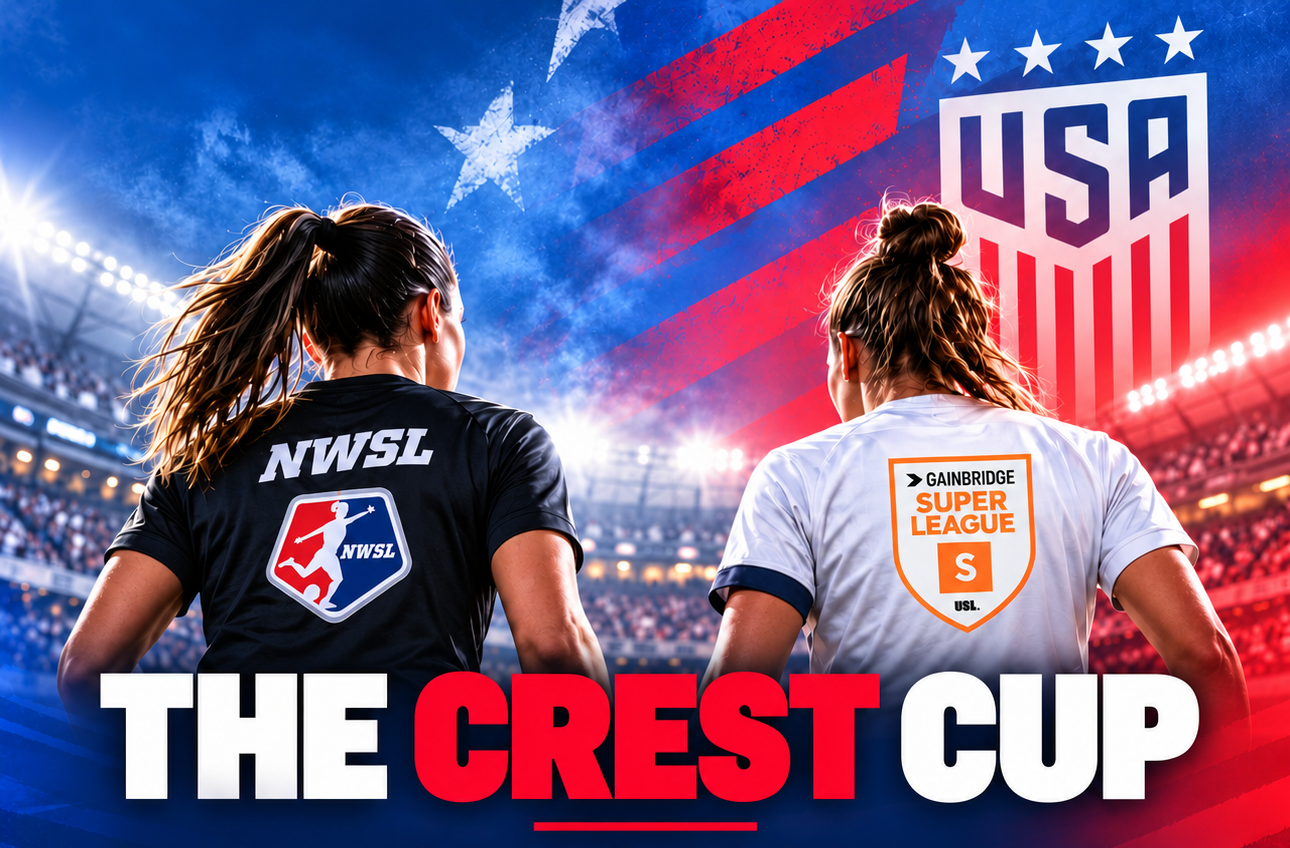
THE CREST CUP
A new national cup could open an exciting chapter for American women’s soccer. With $1.1 million promised to the winner and clubs from two professional leagues expected to compete, the Arthur M. Blank Crest Cup has considerable potential. But when will it begin, and will U.S. Soccer turn its promise into a lasting tradition?
Latest Stories
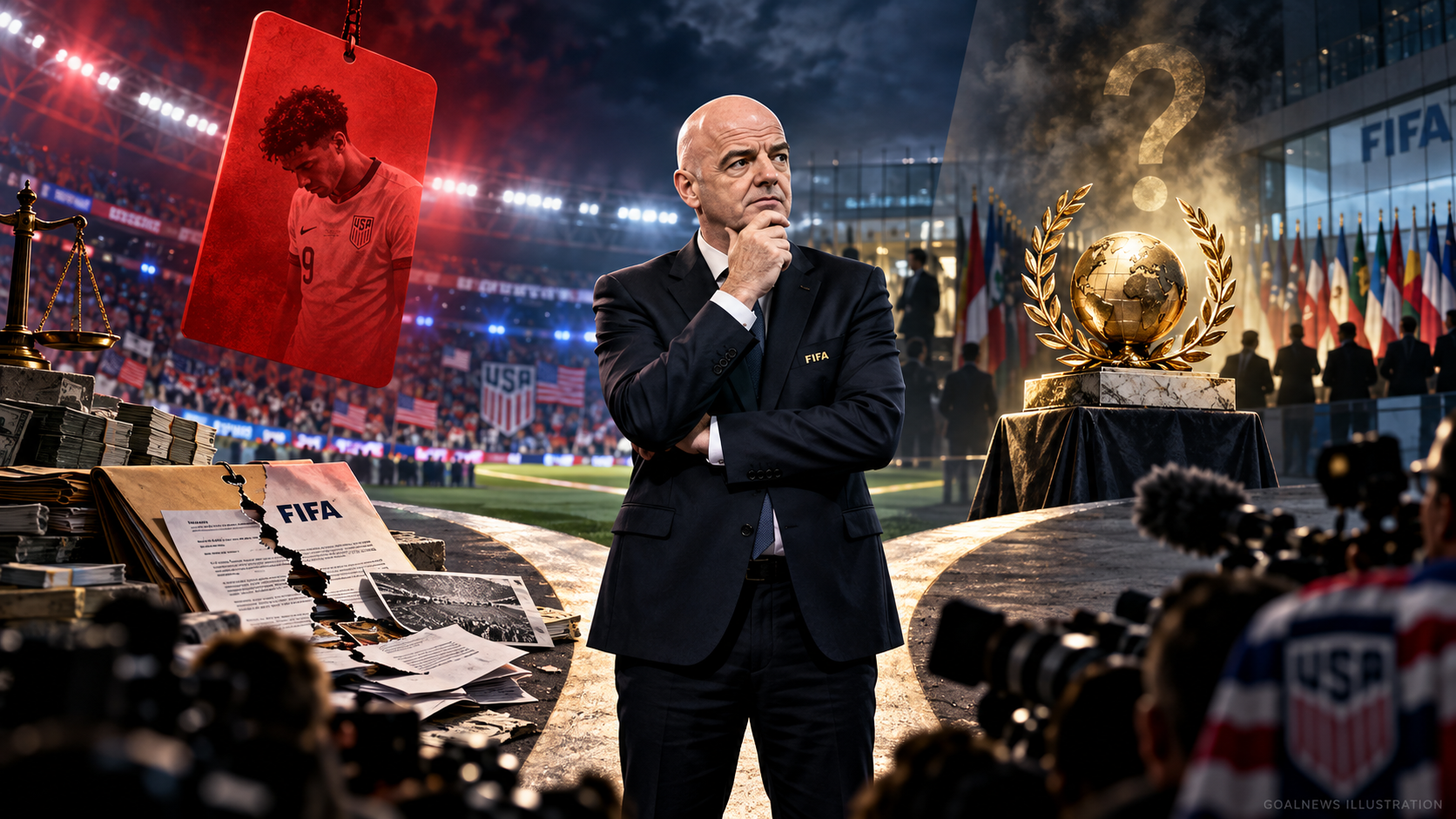
An abandoned World Cup commercial deal. A controversial red-card suspension involving a USMNT striker. Questions about FIFA’s Peace Prize. Gianni Infantino has apologized, but FIFA still faces demands for answers.
16.8 Million Americans Played Soccer. Can We Make Room for Everyone?
Outdoor soccer participation reached an all-time high in 2025. More women and girls are playing and participation is growing.
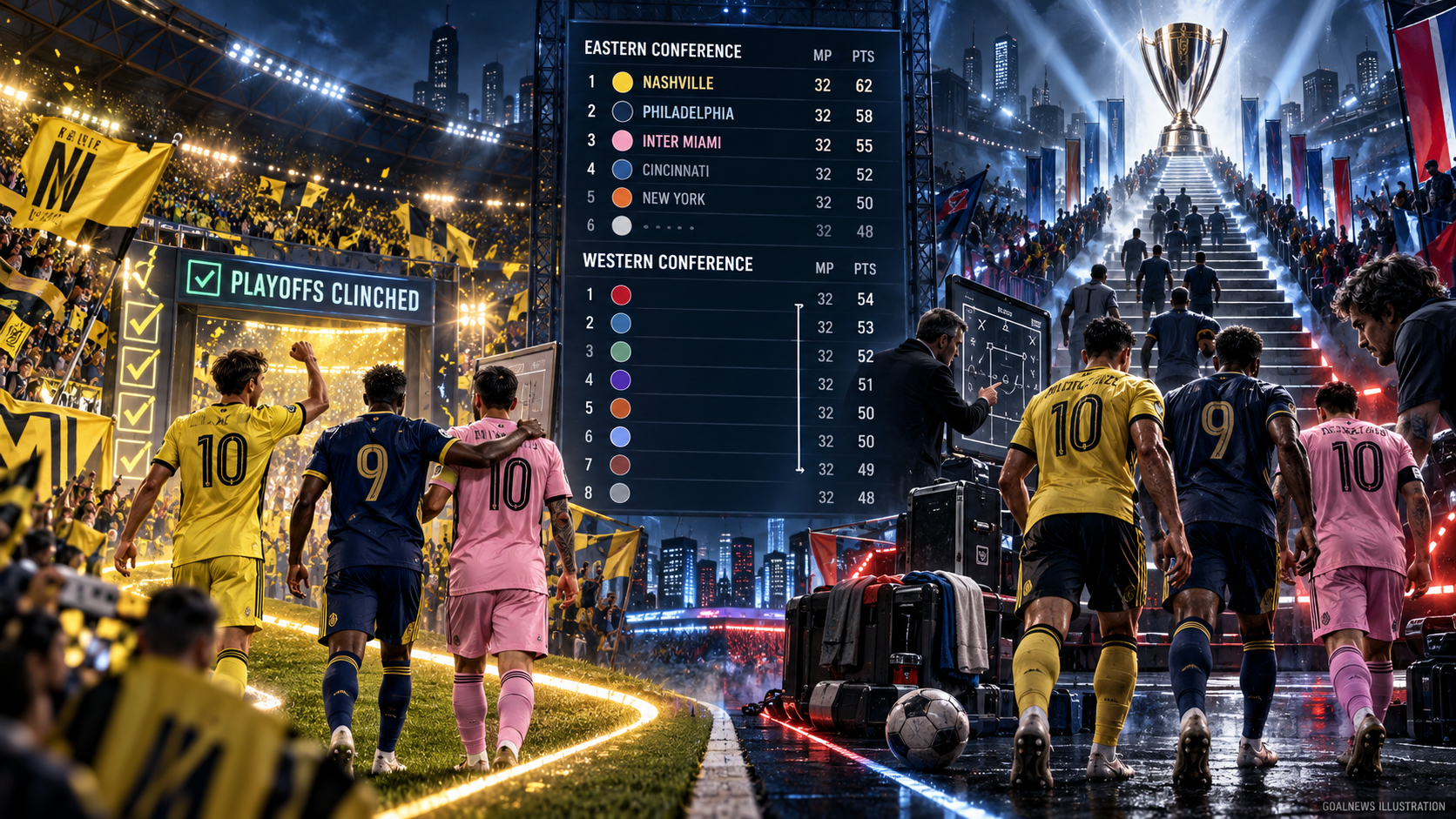
Nashville leads. Philadelphia is gaining momentum. Inter Miami has qualified. The Western Conference race remains close.
But do the MLS standings really tell us which teams are prepared to win MLS Cup?
USMNT
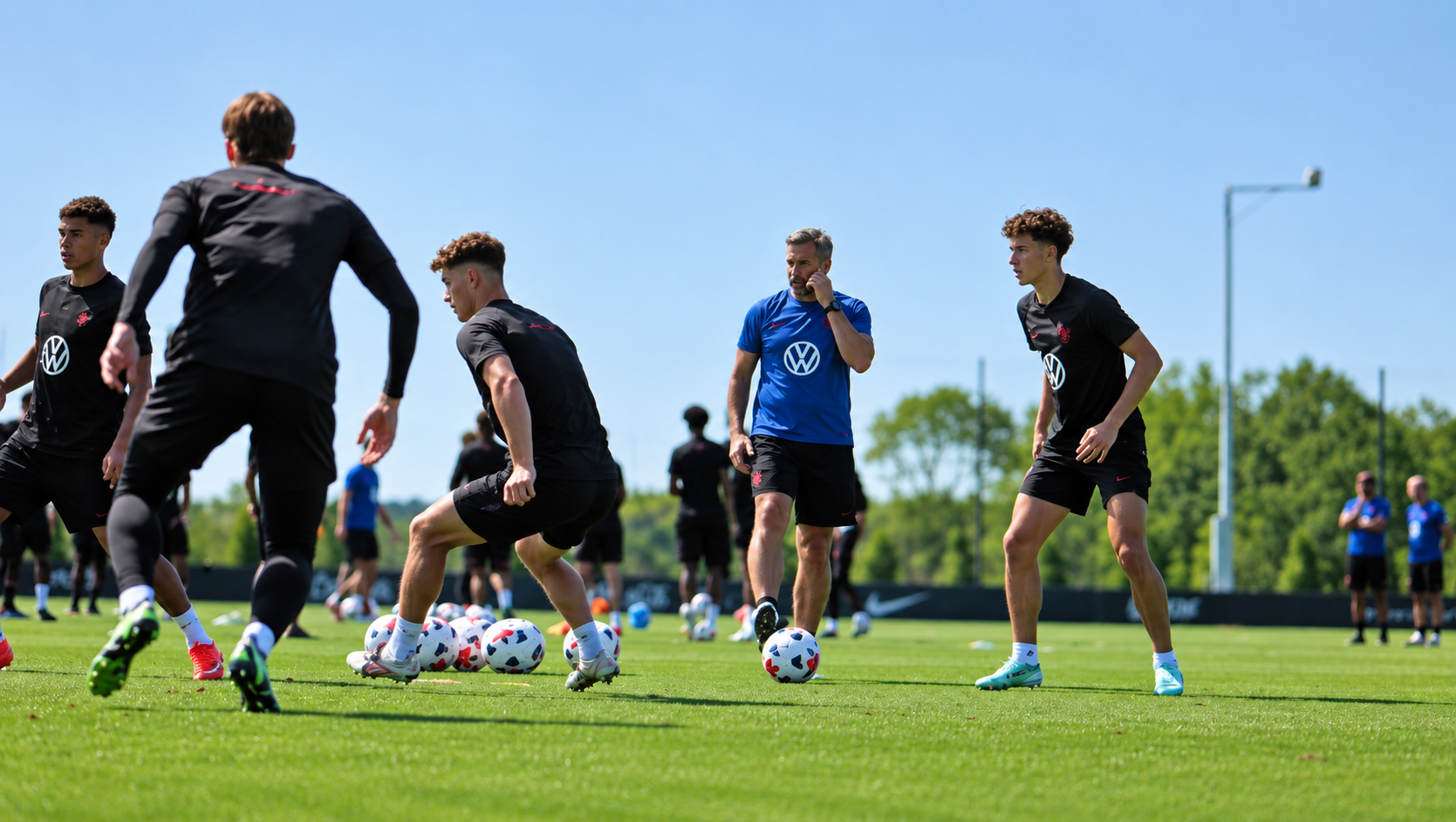
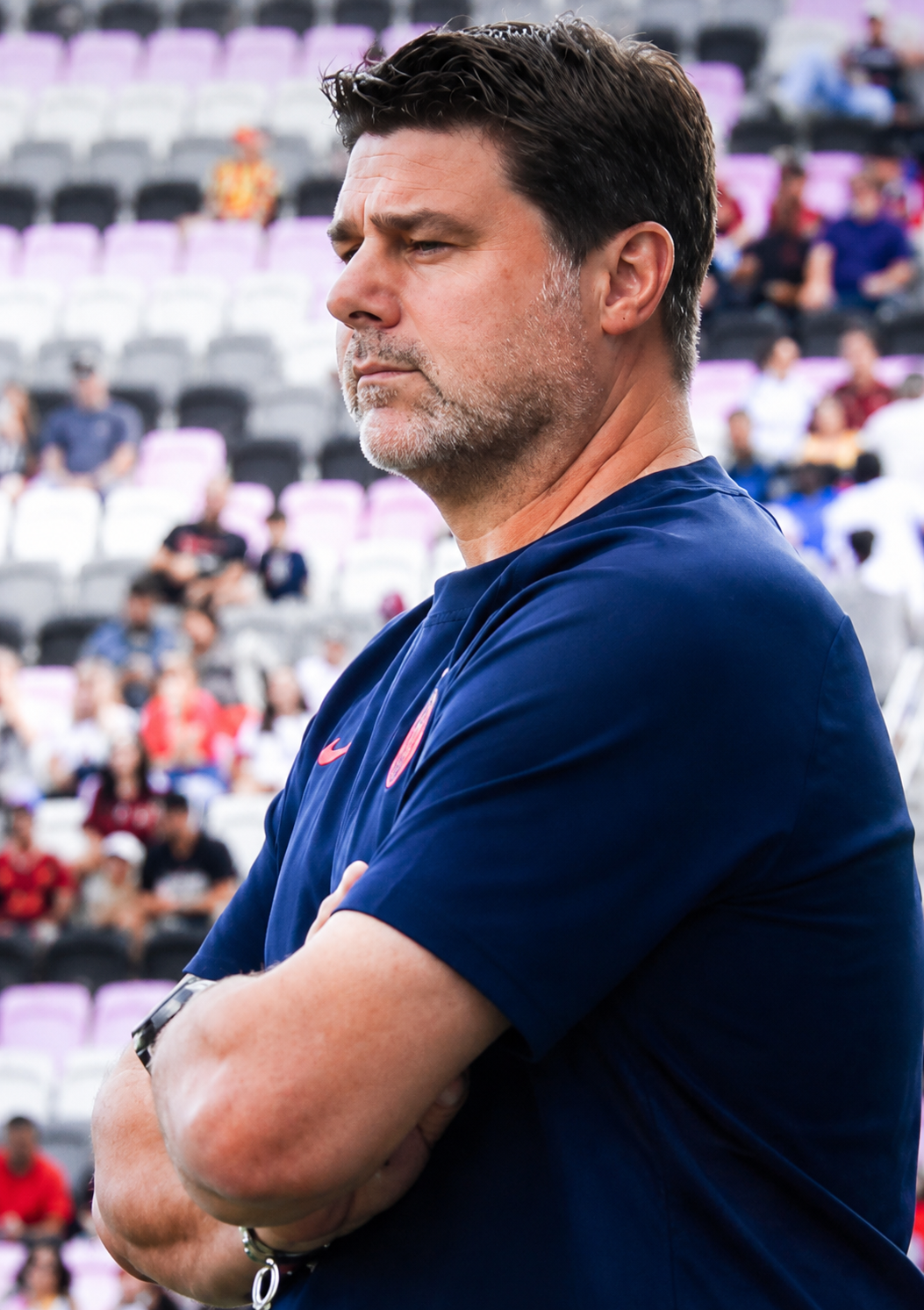
Pochettino’s First 2030 Roster
Mauricio Pochettino’s first USMNT roster after the 2026 World Cup marks the opening of the Road to 2030.
The 28-player group includes 13 uncapped players, signaling that competition for the next cycle has begun.
The roster reveals Pochettino’s approach: evaluate broadly, create competition, reward current performance and begin testing which players can grow into the team.
Read more…NWSL

Seeing the NWSL Beyond Wins, Losses and Goals
Wins and losses tell only part of the NWSL story. Modern analytics can expose sustainable performance, hidden stars and warning signs.
Read more…
Why Keeping Girls in Sports Matters Far Beyond Producing Elite Athletes
New research connects sustained youth sports participation with leadership later in life.
Read more…
NWSL CHAMPIONSHIP PICTURE
Gotham FC leads the NWSL after 22 matches, but standings alone cannot identify a championship contender. GOALNEWS looks at Gotham, Washington, Utah, San Diego and Portland through the tests that become increasingly important as November approaches.
Read more…MLS & North America
Leagues Cup Measuring Stick Gives MLS an Uncomfortable Reading
Liga MX swept all four MLS clubs out of the quarterfinals, but the scores alone do not tell the entire story.
Read more…
America 250 Years of Freedom
Celebrate the 250th anniversary of the United States with a patriotic tribute to freedom, history, and the American spirit from 1776 to 2026.
Read more…
World Cup 2026


IT WAS GOOD THAT YOU CAME!
Spain is the World Champion, taking the crown from Argentina, which still reached the podium with silver medals.
After thrilling semifinals — England falling to Argentina 2–1 and Spain defeating France 2–0 — the two finalists battled in New York for the world title.
The youthful Spain frustrated Argentina’s high-end talent and completed a memorable championship run.
Leagues Cup

 VS
VS
THE RESULT TELLS US WHO WON.
UNDERSTANDING THE MATCH TELLS US MUCH MORE.
Liga MX swept all four MLS clubs out of the 2026 Leagues Cup quarterfinals. But the four defeats did not tell the same story.
GOALNEWS looks beyond the 4–0 result to examine what happened on the field, what changed from 2025, and what MLS can learn from an uncomfortable measuring stick.
MLS: Chicago Fire, Real Salt Lake, Columbus Crew, Austin FCLiga MX: Toluca FC, Club América, Monterrey, Club León →
GOALNEWS HIGHLIGHTS
Go beyond the score. Explore the players, competitions, decisions, development and stories shaping American soccer.
Explore the HIGHLIGHTS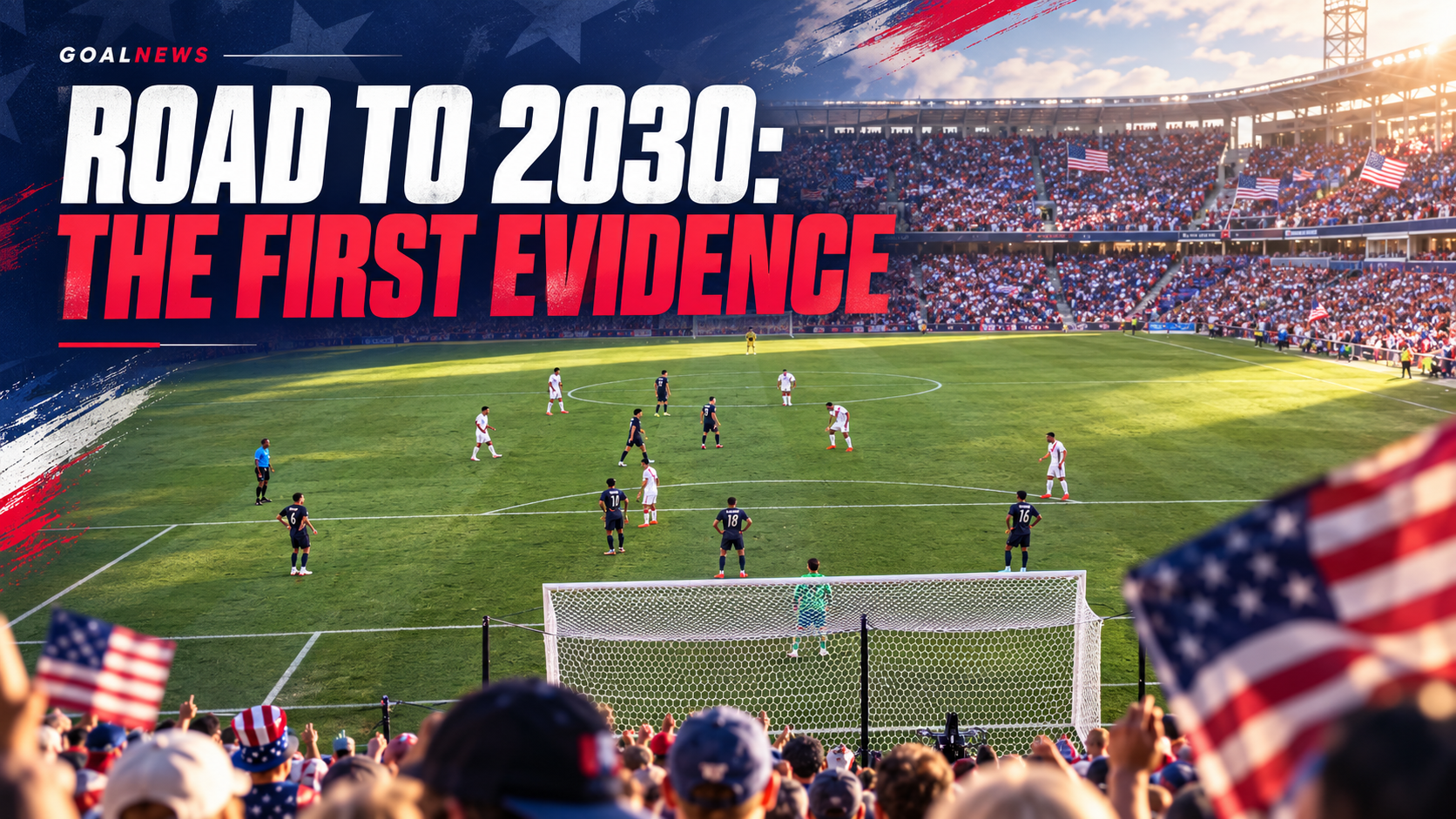

GOALNEWS Pulse
Proud of American Soccer.
Stay Informed. Speak With Confidence.